The Importance of Choice and Flexibility
For SEN children, inclusion is not about forcing every student into the exact same garment. True inclusion comes from flexibility:
- Equal Identity: Wearing the school crest alongside classmates helps prevent SEN students from feeling singled out or visibly "different."
- Eliminating Daily Stress: When schoolwear is modified to meet a child’s specific sensory or physical needs, morning routines become calmer for both pupils and parents.
- Child-Led Flexibility: Schools should adopt flexible dress codes that allow pupils to wear adapted uniform pieces (like printed tees instead of stiff button-ups) or switch to non-uniform items on days when sensory overload is particularly high.
Key Features of Accessible & Sensory-Friendly Uniforms
When selecting or designing schoolwear for children with sensory processing differences, autism, ADHD, or physical disabilities, small design adjustments make a massive difference.
1. Sensory-Friendly Fabrics & Construction
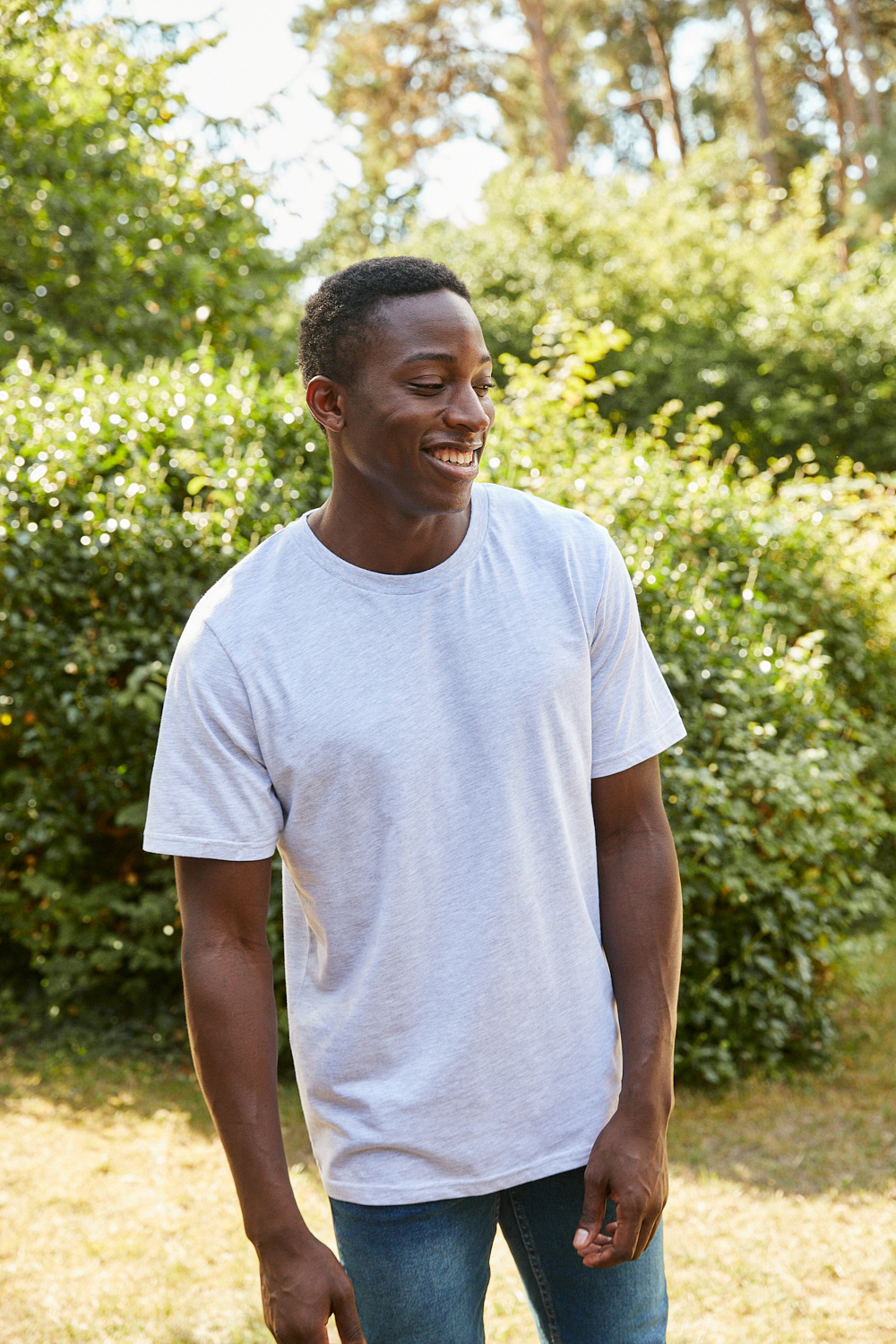
- Soft, Breathable Materials: 100% ring-spun cotton and heavy jersey fabrics provide a natural, breathable feel against delicate skin.
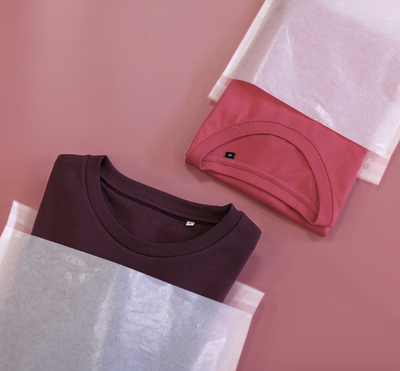
- Tagless Labels: Traditional woven neck tags are a major cause of skin irritation. Removing tags or printing size details directly onto the fabric eliminates scratchiness.
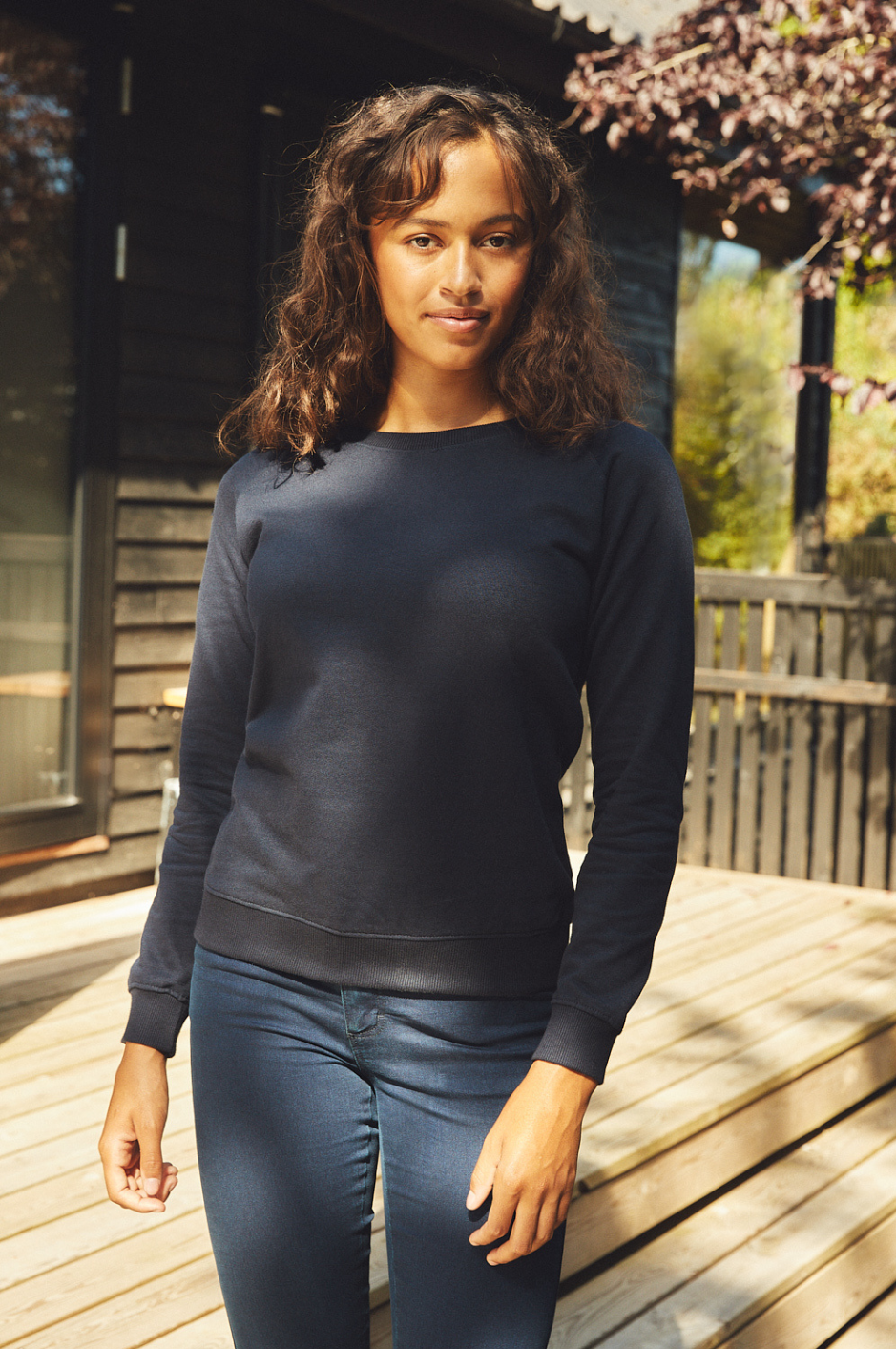
- Flat & Soft Seams: Seams that rub or press into the skin can be deeply uncomfortable. Soft, low-profile stitching helps minimise friction throughout the day.
2. Easy "Pull-On" Styles & Adaptive Closures
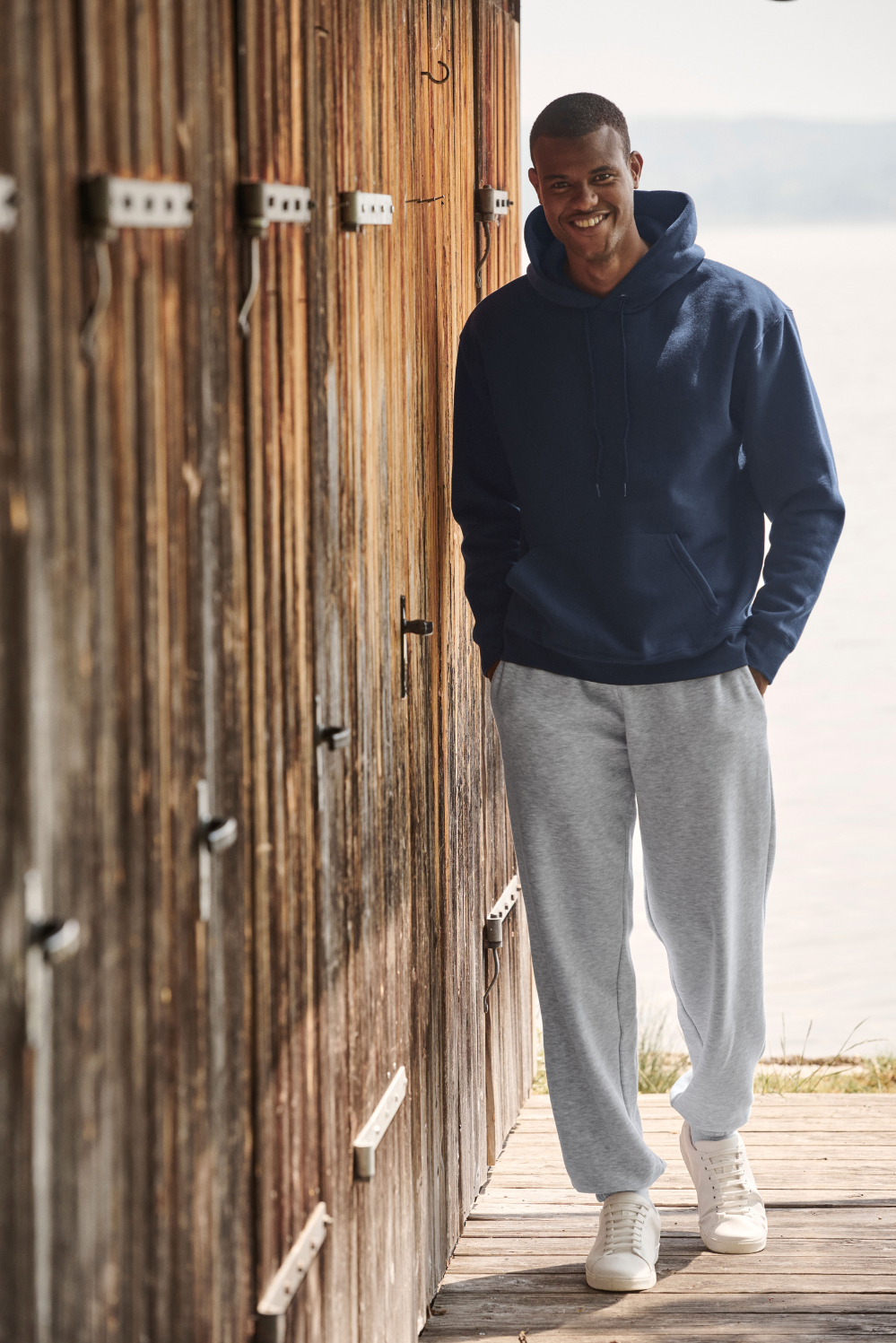
- Elasticated Waistbands: Trousers and shorts with soft, stretch waistbands eliminate complex fastenings and reduce abdominal pressure when sitting.
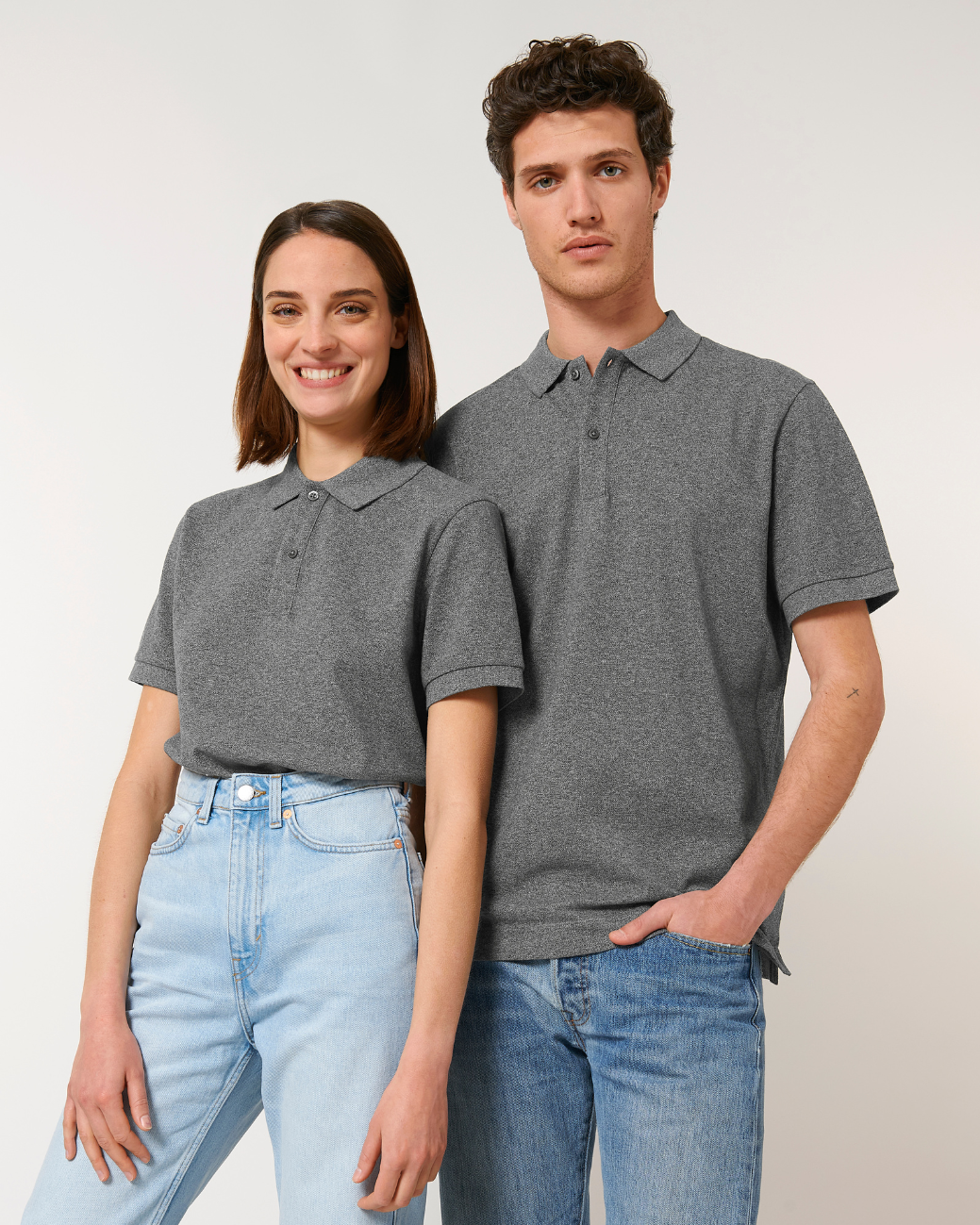
- Replacing Buttons & Zips: Replacing stiff-collared shirts with soft polo shirts or jersey crew-neck tees gives children independence in dressing.
Special Sensory Customisations Available with Banana Moon
At Banana Moon, we offer specialised adaptive options and customisation methods designed specifically for special education schools and SEN pupils:
Sensory Personalisation Options:
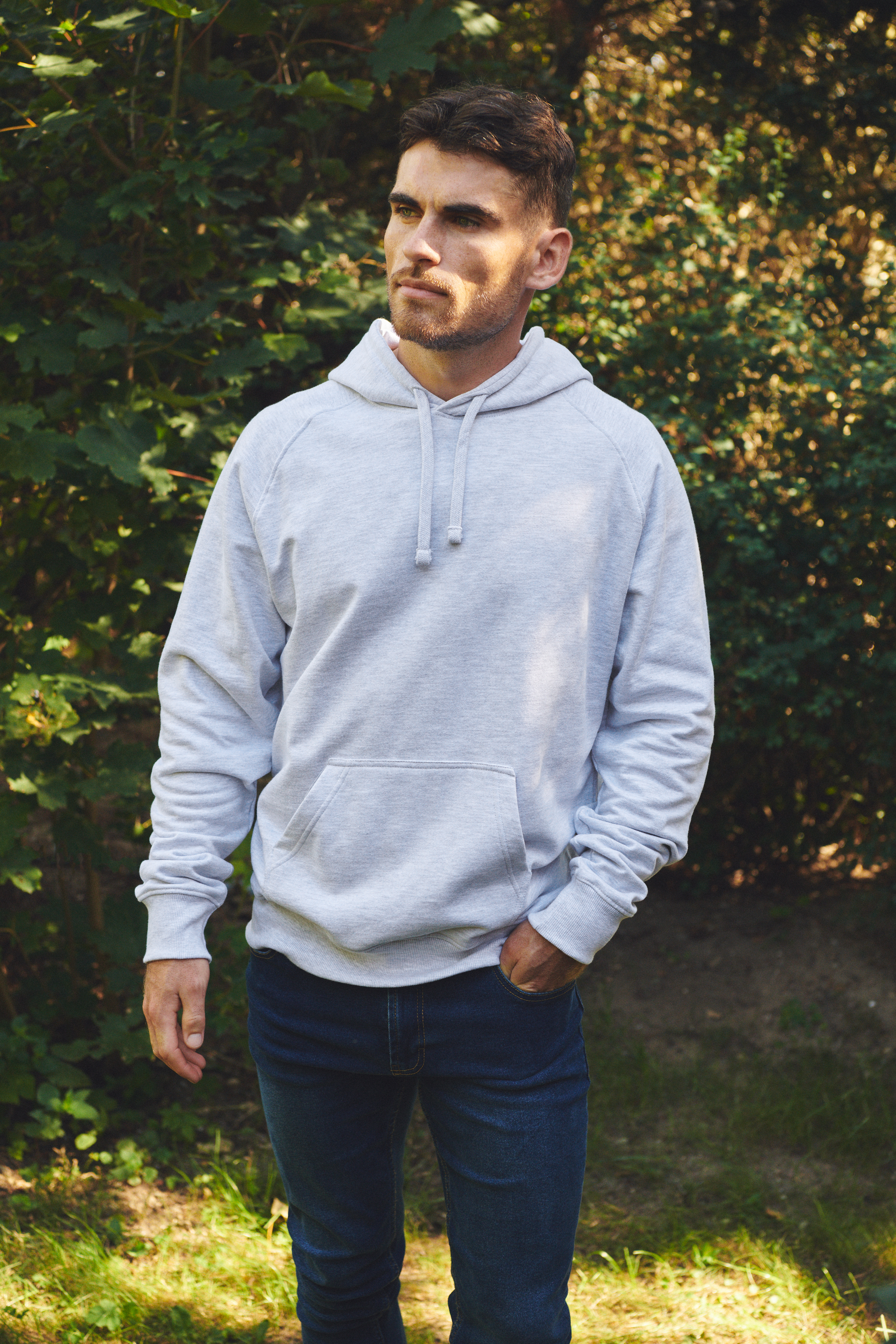
- Heavyweight Fabrics for Nervous System Regulation: We offer heavy jersey t-shirts and weighted-feel fleece hoodies. The extra weight provides gentle, soothing deep-pressure input that can help regulate the nervous system during overwhelming moments.
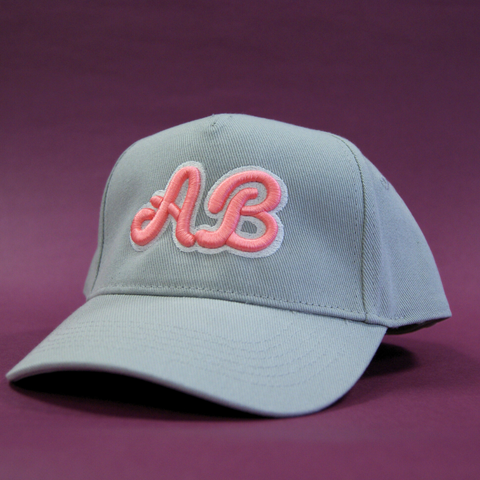
- Tactile & Soothing Personalisation: Textures can be calming. Options like soft 3D puff print, tactile embroidery over print, or smooth-finish DTG (Direct-to-Garment) printing offer reassuring, soothing surfaces for children who seek tactile input.
- Ultra-Smooth Interior Backing: For embroidered logos, we use smooth, non-scratch OEKO-TEX certified backing materials inside the garment to protect delicate skin from thread irritation.
- Direct-to-Garment Printing (DTG): DTG printing sinks ink directly into the fabric fibres, creating a completely weightless, flat design with zero raised edges or internal friction.
Addressing Specific Needs: Challenges & Solutions
The table below addresses some potentially helpful uniform adaptations for different needs and disabilities. However, this is only guidance, and we recognise that many disabilities exist on a spectrum, and some students with these diagnoses may not require or identify with the adaptations suggested here. Uniform adaptations and changes should always be student-led where possible, with significant input from parents and carers. At the same time, our suggestions can serve as a starting point for discussion.